
The efficient, safe and reliable transport system is an important prerequisite for facilitating national and regional integration, as well as promoting trade and economic development. It also supports other sectors of the economy, contributing to poverty reduction, minimizing effects to environment and climate change, and job creation. For South Sudan, the transport sector contributes to the achievement of the Vision 2040 as well as regional and international agenda.
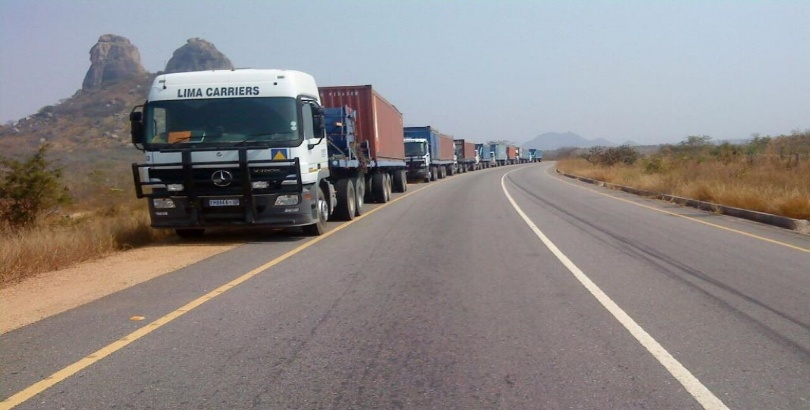
Road infrastructure remains the major mode of transport in South Sudan for internal and regional connectivity. However, the road networks are severely underdeveloped, and their current conditions are in very poor state because the majority are unpaved and poorly maintained. Lack of maintenance program coupled with impact of climate change (increase in rain and flooding) has significantly affected the functionality of the road’s networks. This resulted in many of roads being rendered impassable or less effective as a means of transport by the high population living in the rural areas. Mombasa, Malaba, Nimule and Juba Road are the only paved road supporting the supply chain in and to the Republic of South Sudan and it cover approximately 1,006 miles (1658 Km)
Road infrastructure
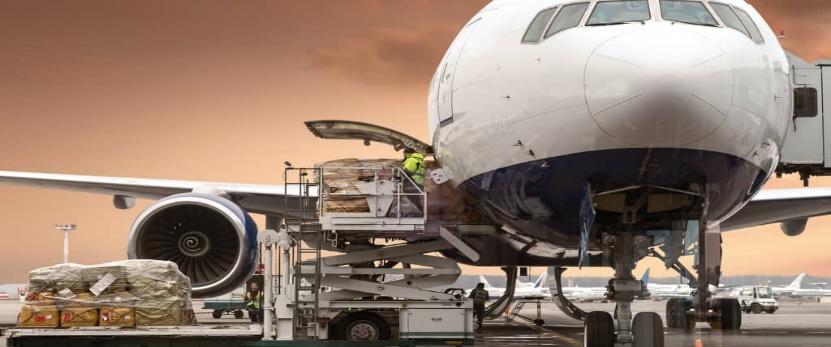
Aviation infrastructure consists of Juba International airport and other 10 airstrips across the country. The Juba airport is paved with 3.1Km long and 45m width also equipped with simple navigation aids. The Malakal airstrip in Upper Nile State is also paved with 2.1Km long but lacking landing instrument system. Other airstrips are unpaved which make unfavourable for landing of commercial aircrafts. The current Juba international airport has been upgrading to meet the ICAO and IATA standards requirements.
Air Infrastructure
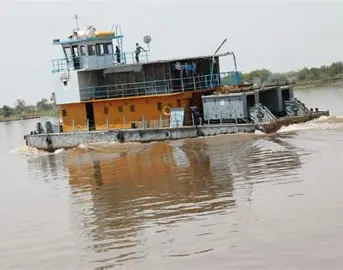
The White Nile forms the main part of river transport in South Sudan covering 1300Km from Juba port to Renk port in the border with Sudan. The river condition is characterized by overgrown vegetation, full of sediment, rock outcrop which impact the efficiency in navigation. The river ports are essential part of river transportation. However, the ports are in very poor condition, they lack accessible road, poor goods and passenger handling facilities, no warehouses, lack of power supply, lack of fuel storage and fuelling system, lack of workshops facilities etc. In 2024, through JICA funds, the Juba Port has been upgraded with modern facilities to be able to handle large volume cargo from 12500 tons/per year to 86,000 tons/per year after its completion.
River Transport infrastructure
The rail infrastructure in South Sudan form part of a big Sudan railway network. The existing rail line is single meter gauge with 248Km from Babanosa in Sudan to Wau in South Sudan. This infrastructure has not been operational since separation of Sudan and South Sudan and currently in very poor condition. However, the Country focus has now been shifted to the development of standard gauge railway line which connect South Sudan to the EAC and Horn of Africa.
Rail Infrastructure

Timelines: Clearing a container at Mombasa can take anywhere from 3 days (best case scenario) to 7+ days depending on efficiency and any issues: There is usually a free period of a few days for containers, after which storage charges (demurrage) start. Efficient clearance within the free period saves a lot of money.